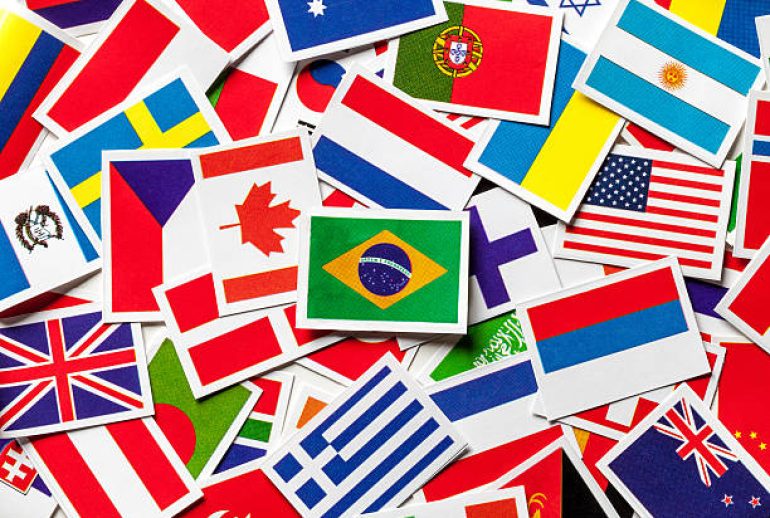
Flags are not pieces of cloth; they are dignified symbols of identity, culture, and belonging. As time passed, flag designs also transformed immensely, depicting the values, undertakings, and hopes of the people who utilize them. The history of flag designs is as much a matter of interest to the cultured individual as it is to the historian. This blog is going to explore the historical origins of flags, the origin of national flags, flag design trends of modern flags, cultural influences, political movements and flags, and flag design trends in the years to come.
1. Ancient Origins of Flags
The use of flags dates as far back as ancient ages, and the flags had been employed practically to send signals and communications. The flags were basic designs on fabric or other material bearing symbolic marks of kingdoms, tribes, or war units. In ancient Egypt, for example, flags were utilized to adorn pharaoh’s chariots, while in ancient China banners were employed to identify different military divisions.
Symbolism in the early flag designs was significant. Color and form tended to mean something; red, for instance, would mean courage or sacrifice, blue loyalty or peace. Early flags were identifiers, indeed, but also symbols of authority and power, and they were charged with the spirit of the people they represented.
2. The Evolution of National Flags
The development of national flags began taking shape in the Middle Ages when empires and kingdoms wanted to be different. When seafaring nations became prominent, such as England and Spain, it put even greater emphasis on developing identifying flags. The flags were required for navigation, and identification allowed ships to identify friendly ships and avoid entering into war.
Flag designs were also heavily influenced by major events in history. It was the Westphalia Treaty of 1648 that concluded the Thirty Years War in Europe and is generally known as a turning point in the history of nation-state evolution. It was in this treaty that the concept of sovereignty and nationalism emerged, and countries started using unique flags for every country. The American Revolution and the French Revolution also helped create national flags, and new flag designs emerged to symbolize the concepts of liberty and democracy.
3. Contemporary Flag Design Principles
Design of flags has, in the current era, incorporated some norms that make them more familiar and comprehensible. Contemporary flags feature simple colors, simplicity, and clarity. Simplicity will make flags recognizable from afar, therefore making them effective symbols in public congregations and assemblies.
One of the greatest works of modern principles of flag design is the “Flag of the United Nations.” Its depiction of a map of the world in an olive-branch border represents peace and harmony among nations. Similarly, flags of many nations have been established as symbols of their cultural heritage, values, and hopes. Such a focus on meaningful symbolism makes flags extremely symbolic and significant to the people they symbolize.
4. Cultural Impacts on Flag Designs
Cultural forces are one of the dominant driving forces behind flag designs across the world. Each flag is a history, generally representing the history, religion, and traditions of the people. The Bhutan flag, for example, has a dragon depicting the spiritual heritage and Buddhist affiliations of the country. The Mexican flag has an eagle and a serpent which depict the Aztec heritage and nationality.
Regional flags also reflect the cultural mix of influences. Provincial flags in Canada, for instance, tend to have symbols to depict regional history and native cultures. Quebec’s flag is an example, featuring a blue field and a white cross containing four white fleurs-de-lis that represent French heritage and provincial cultural identity.
5. The Role of Flags in Political Movements
Flags have also featured at the forefront of political rebellions and revolutions down through history. Flags are symbols of unity, protestation, and hope for change. The use of flags was featured in the American Civil Rights Movement, and the African American flag became a symbol of pride and struggle for equality.
Revolutionary forces used flags to represent their ideals and objectives. The red flag, for instance, was employed by socialism and communism and represented the struggle of the proletariat. The utilization of flags by demonstrators and protesters continues to be an influential tool for expression, as individuals wave flags to convey their demands for justice and change.
6. Future Trends in Flag Design
The flag design evolves with the evolving societies. The evolution of values and technology determines the trend of flag design. For instance, increases in digital media influence perceptions and the manner in which flags are communicated. Flags become manifest in cyber space representing cyber community identities.
In addition, inclusivity has also improved while creating flags. People are now creating flags that symbolize their diversity, like cultural diversity flags and pride flags of the LGBTQ+ community. This transformation is based on embracing and appreciating diversity in cultures.
7. Conclusion
The history of flag design is a fascinating process that reflects the changing patterns of culture, identity, and politics. Flags are powerful symbols that unite people, celebrate heritage, and energize change movements. Understanding flag history and origins can bbeimportant to realize what those symbols mean.
As you browse through the broad range of flags available at Flags Shops CA, don’t just take a glance at the symbol and instead consider the rich history and symbolism represented by each flag. In buying a national flag, a provincial flag, or a specialty flag, respecting the history of flags can enhance your historical and heritage consciousness.
